Between May 2022 and January 2025, I worked on the WordPress.org project full time, sponsored by Automattic, as part of the Five For The Future initiative. The ideas is for all companies that benefit from WordPress to give back 5% of their resources (time or money) back to the project.
The goal of the FFTF, as explained by Matt in this 2014 post, is to avert the Tragedy of the commons.
I think a good rule of thumb that will scale with the community as it continues to grow is that organizations that want to grow the WordPress pie (and not just their piece of it) should dedicate 5% of their people to working on something to do with core — be it development, documentation, security, support forums, theme reviews, training, testing, translation or whatever it might be that helps move WordPress mission forward.
Five for the Future
Matt starts the post above by referring to WordCamp Europe 2014. This is an interesting coincidence because WordCamp Europe 2014 in Sofia was my first experience with the community. Up until then, I had not been aware of the amazing people who were contributing to WordPress. Attending WCEU allowed me to connect with these people, grow professionally and make a ton of new friends.
Yes but, what did you do?
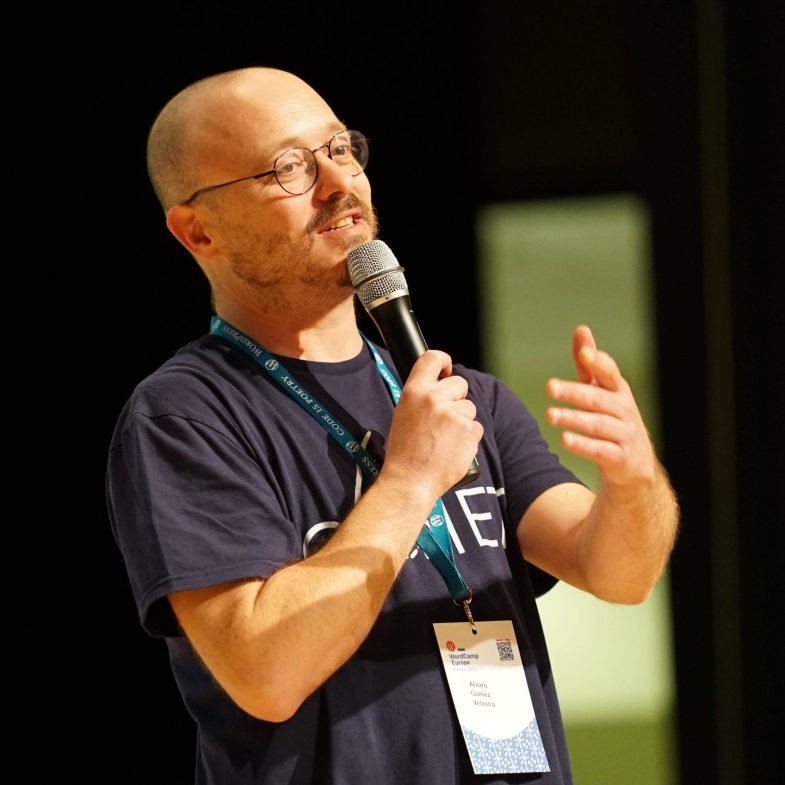
During my time as a full time sponsored contributor, I opened 83 Gutenberg issues and triaged over 300. I also opened 21 issues affectingo WordPress core and 26 affecting the WordPress.org website itself. I even wrote over 633 support replies in the forums.
However, the contribution I feel most proud about was turning the tide in the the Plugins team by onboarding new team members (Fran, David & Paco, among others) and working with them to create modern tools and well-documented processes. Before this transition, plugin authors would need to wait over 90 days for a first review. Now, the waiting time is less than one week and the team monitors all plugin updates, something that had never been possible in the past.
Adding to all of the above, I had the absolute privilege to work side by side with some of the most gifted people from all over the world: Thelma, Kavya, Kathryn, Jordan, Felipe, Dion, Anne, Jonathan or Marius… to name just a few. The best thing about the WordPress project is its community.
18 meses contribuyendo a tiempo completo a WordPress.org
Entre mayo de 2022 y enero de 2025 trabajé a tiempo completo en el proyecto WordPress.org, patrocinado por Automattic, como parte de la iniciativa Five For The Future. La idea es que todas las empresas que se benefician de WordPress devuelvan el 5 % de sus recursos (ya sea en tiempo o dinero) al proyecto.
El objetivo de FFTF, tal como explicó Matt en esta publicación de 2014, es evitar la llamada “tragedia de los comunes”.
Una buena regla general que puede crecer junto con la comunidad es que las organizaciones que quieran hacer crecer “la tarta” de WordPress (y no solo su porción) deberían dedicar un 5 % de su personal a trabajar en algo relacionado con el núcleo del proyecto: desarrollo, documentación, seguridad, foros de soporte, revisión de temas, formación, pruebas, traducción o cualquier otra área que ayude a impulsar la misión de WordPress.
Five for the Future
Matt comienza su publicación mencionando el WordCamp Europe 2014. Es una coincidencia interesante, porque WordCamp Europe 2014 en Sofía fue mi primera experiencia con la comunidad. Hasta entonces, no era consciente de la cantidad de gente increíble que contribuía a WordPress. Asistir a WCEU me permitió conectar con esas personas, crecer profesionalmente y hacer un montón de nuevas amistades.
Vale pero ¿qué hiciste?
Durante mi tiempo como colaborador patrocinado a tiempo completo, abrí 83 issues en Gutenberg e hice triage más de 300.
También abrí 21 issues que afectaban al núcleo de WordPress y 26 relacionadas con el propio sitio de WordPress.org. Además de todo eso, escribí más de 633 respuestas de soporte en los foros.
Sin embargo, la contribución de la que me siento más orgulloso fue la renovación del equipo de Plugins, incorporando a nuevos miembros del equipo (Fran, David y Paco, entre otros) y trabajando con ellos para crear herramientas modernas y procesos bien documentados. Antes de esta transición, los autores de plugins debían esperar más de 90 días para una primera revisión. A día de hoy, el tiempo de espera es de menos de una semana y el equipo supervisa todas las actualizaciones de plugins, algo que antes nunca había sido posible.
A todo lo anterior se suma el privilegio absoluto de haber trabajado codo con codo con algunas de las personas más increíbles tanto a nivel personal como profesional del mundo: Thelma, Kavya, Kathryn, Jordan, Felipe, Dion, Anne, Jonathan o Marius, por nombrar solo a algunos.
Lo mejor del proyecto WordPress es, sin duda, su comunidad.
